Warehouse & Logistics Hiring: Why Speed And Structure Matter
Warehouse and logistics hiring moves fast. Learn why organised recruitment pipelines help employers reduce delays and improve workforce reliability.
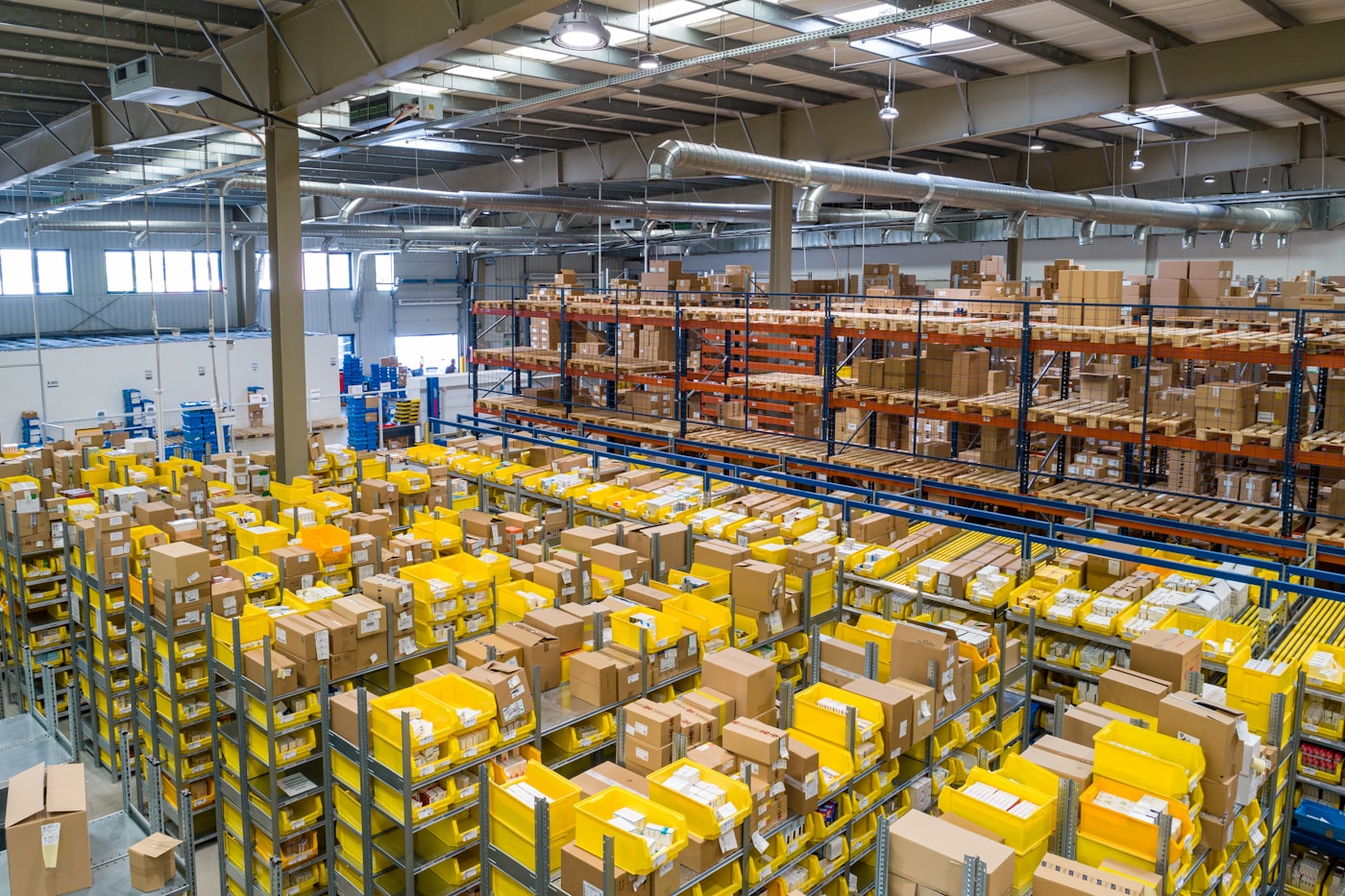
Warehouse and logistics recruitment is often driven by urgency. Employers may need warehouse operatives, pickers, packers, forklift drivers, supervisors or logistics coordinators at short notice. When demand rises, delays in hiring can affect fulfilment, delivery schedules and customer satisfaction.
The challenge is not only finding available workers. The real challenge is building a process that can move quickly without losing structure, quality or communication.
Why speed matters in warehouse hiring
Warehouse operations depend on timing. If staffing levels are too low, orders may be delayed, existing staff may become overstretched and productivity can suffer.
During peak periods, seasonal demand or sudden volume increases, employers need a recruitment process that can respond quickly. Slow communication and unclear requirements can turn a simple vacancy into an operational problem.
Structure prevents poor hiring decisions
Speed is important, but speed without structure can create problems. Employers may end up speaking to candidates who are unavailable, unsuitable, too far from the site or unclear about the working pattern.
A structured process helps confirm the important details early: location, shift pattern, pay rate, start date, experience level, transport, licences and availability.
Fast hiring works best when every candidate is checked against the same clear requirements.
Confirm shift suitability early
Warehouse and logistics roles often involve specific shift patterns. Some candidates may be available for day shifts but not nights. Others may prefer weekends, part-time hours or immediate temporary work.
Confirming shift suitability early reduces wasted conversations and helps employers focus on candidates who can realistically start and remain reliable.
Match candidates to the real working environment
A warehouse role is not just a job title. The working environment matters. Some roles involve heavy lifting, cold storage, fast picking targets, forklift operation, loading, stock control or team supervision.
Good recruitment asks the right questions before submission, so candidates understand the environment and employers receive people who are more likely to stay.
Communication improves retention
Candidates are more likely to commit when they understand the role clearly. Pay, location, shift times, transport expectations and start requirements should be explained before the candidate arrives.
Clear communication reduces drop-offs, no-shows and misunderstandings during the hiring process.
How Liwox Recruitment helps
Liwox Recruitment helps warehouse and logistics employers organise vacancy details, manage candidate communication and build a more reliable hiring pipeline.
Whether the role is warehouse operative, picker, packer, forklift driver, logistics coordinator or supervisor, a structured recruitment process helps employers respond to demand with more confidence.
Key takeaway
Warehouse and logistics hiring requires both speed and structure. Employers who clearly define the role, confirm availability early and communicate quickly are more likely to fill vacancies with reliable candidates.